01
On-site power generation
Produce low-carbon electricity directly at the mine site.
Natural hydrogen could provide dispatchable power for mining operations, particularly where grid access is limited or electricity is carbon-intensive.

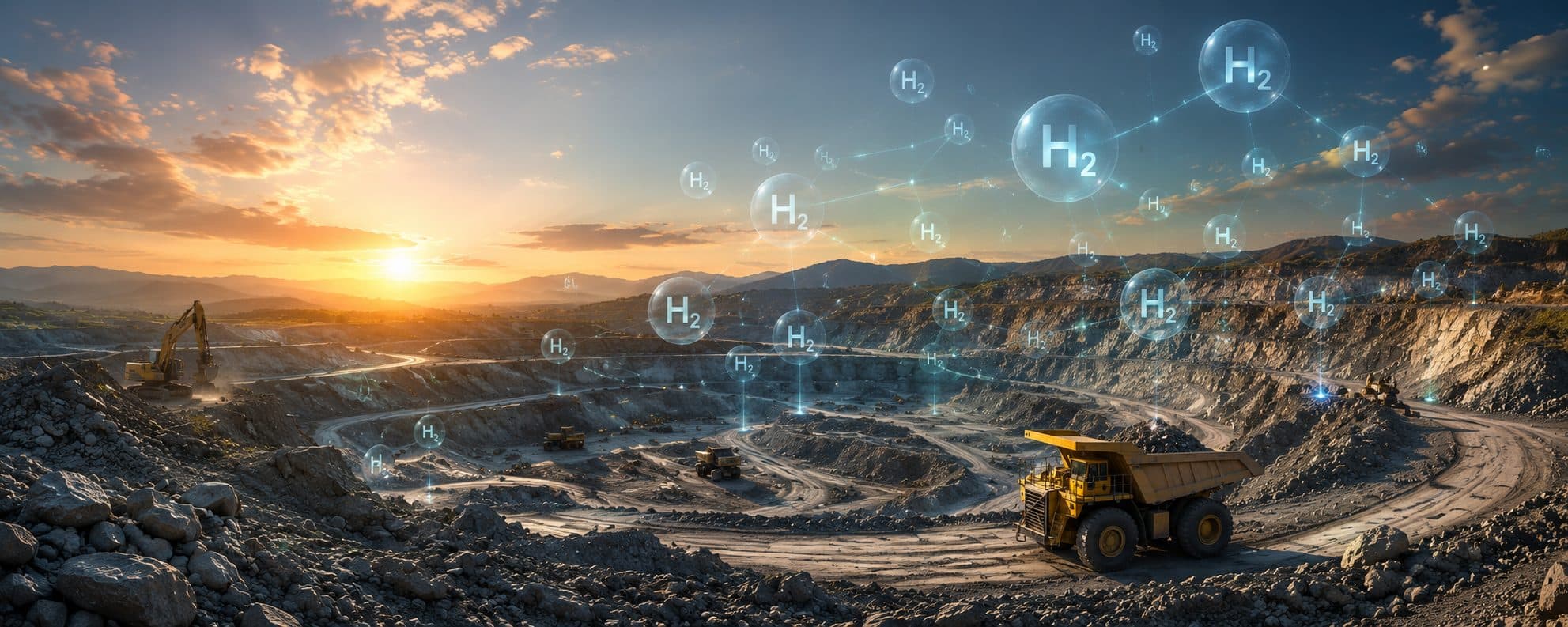
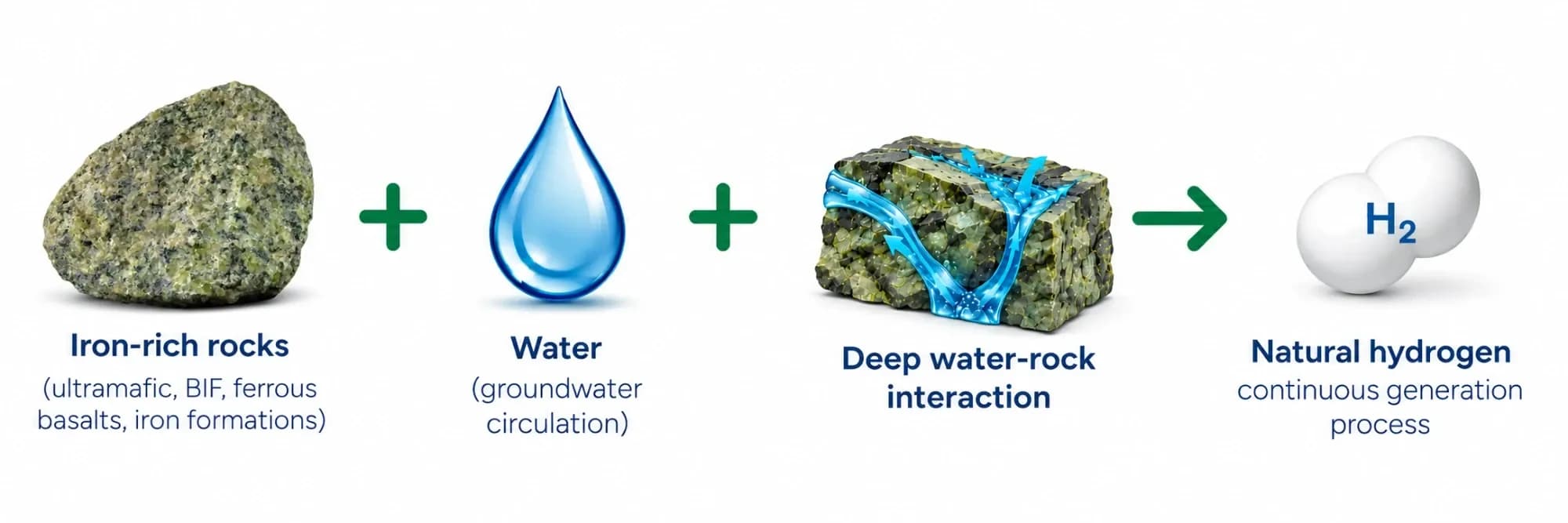
Natural hydrogen is generated in the Earth’s crust through natural geological reactions.
Iron-rich rocks and mining residues provide ideal conditions for these processes.
Natural hydrogen could become more than an additional resource for operators. It could help power, fuel and decarbonize mining operations.
Produce low-carbon electricity directly at the mine site.
Natural hydrogen could provide dispatchable power for mining operations, particularly where grid access is limited or electricity is carbon-intensive.

Power heavy-duty mining equipment.
Hydrogen could replace diesel in selected haulage and heavy-equipment applications, reducing both fuel-related emissions and dependence on transported fuels.

Decarbonize mineral processing and metallurgy.
Hydrogen can potentially replace carbon-based reducing agents in certain metallurgical processes, opening a pathway toward lower-carbon metals.
More than 35,000 active mining sites sit on ferrous iron-rich formations capable of generating natural hydrogen.

Detailed geological data already exists.

Iron-rich rocks and residues are everywhere.

Access, permits, power, water and facilities.

Reduce uncertainty and accelerate evaluation.

Repurpose residues and reduce environmental liabilities.

From mining liability to clean energy asset.
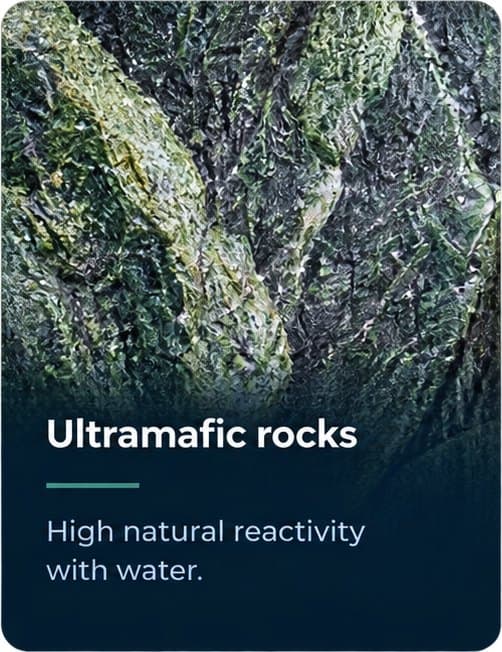
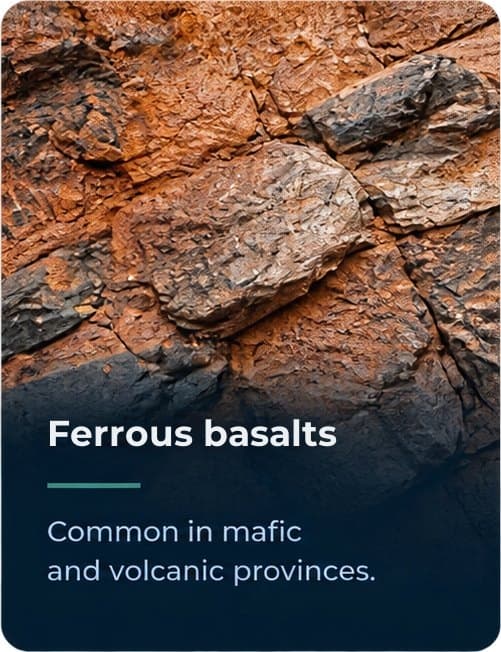
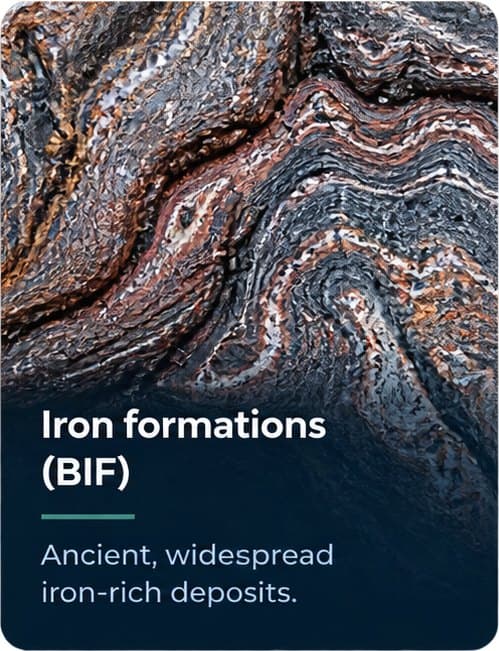
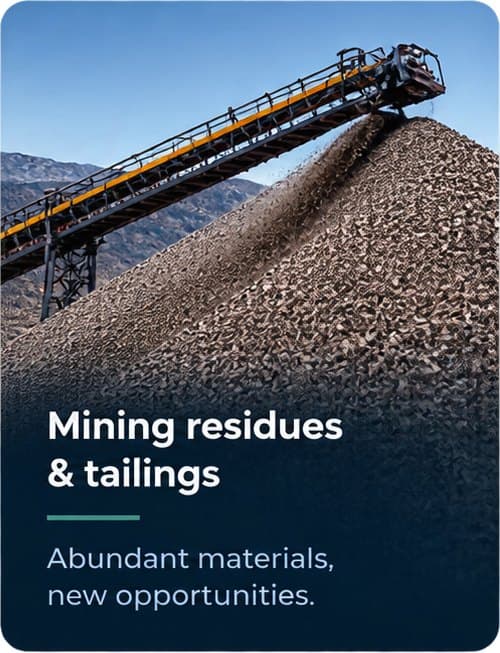
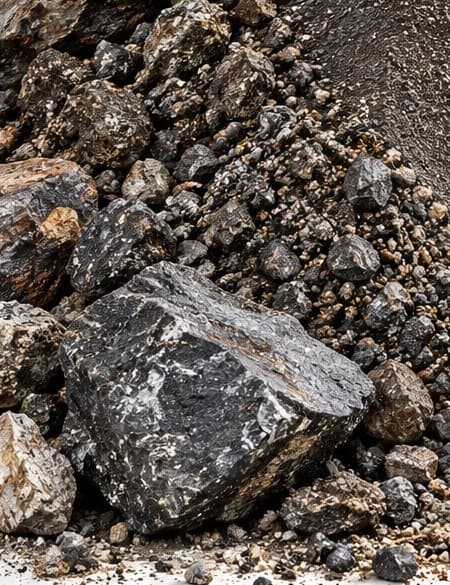
Natural hydrogen is often associated with iron-bearing formations where water circulates through the crust and interacts with iron-rich minerals, generating hydrogen.
Let’s evaluate your potential together.
Talk to our geoscience team